Julee Waldrop establishes fund to strengthen DNP program at the UNC School of Nursing
April 1, 2026
In her retirement from academia, Julee Waldrop, DNP, PNP, FAANP, FAAN, Professor Emerita at the UNC School of Nursing, has dedicated her time and talents to strengthening and contributing to the practice of nursing and accelerating its value in the healthcare field.
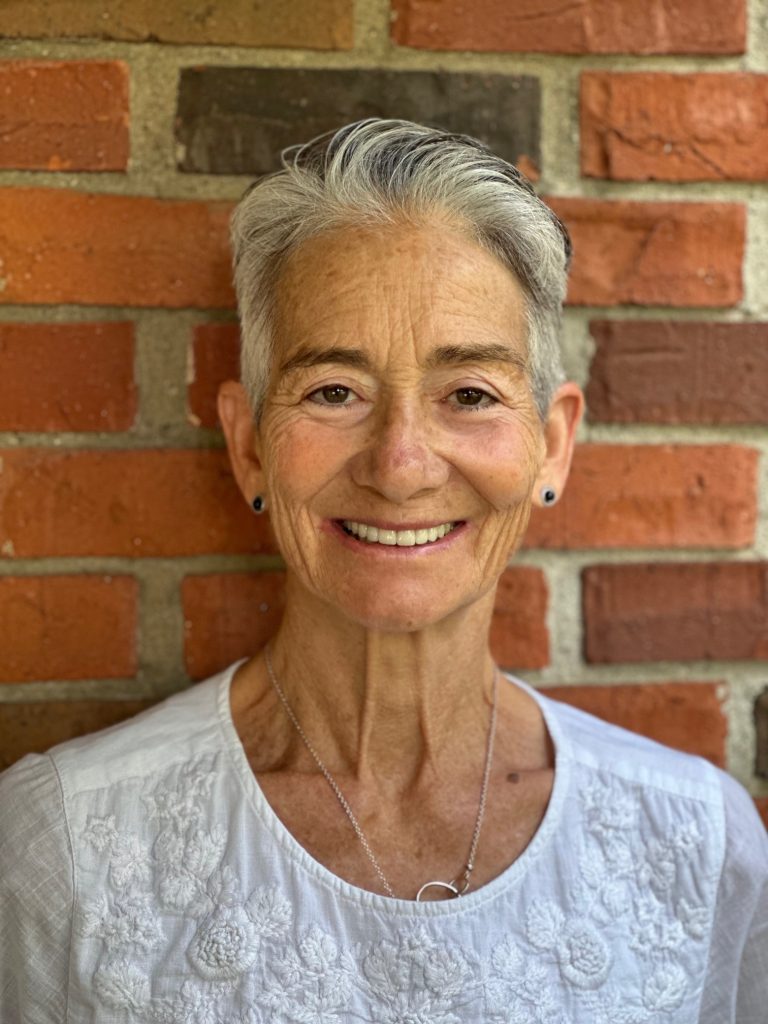
This includes imparting her deep expertise into textbooks on nursing practice and also establishing a new fund to support the Doctor of Nursing Practice (DNP) degree program at the School, which was established in 2013.
The Julee Briscoe Waldrop DNP Program Funds will be used to support the activities of the program, which prepares nurses for the highest level of clinical practice. DNP graduates perform critical roles in nursing and healthcare overall, she said, translating evidence-based research from all health-related sciences into clinical practice in sustainable ways to improve care and systems of healthcare. We need strong DNP graduates more than ever, she said.
“With more support for this degree, we can make a really magnificent difference as nurses,” she said of her fund. “With this support, my hope is they continue to improve the quality of the program, offer more faculty development and enhance the kinds of projects that DNP students are able to undertake at UNC.”
Historically, nursing Ph.D. programs have had more access to financial support through traditional mechanisms like federal programs or grants. She decided to endow the fund to build similar capacity for DNP students and faculty who engage in those programs in important ways, she said.
Waldrop said the DNP degree “is nurse-driven and nurse-empowered as leaders of quality health care, and that starts with quality nursing education.”
“As researchers generate new knowledge and seek answers to questions for which we don’t yet have enough evidence, we also need to better prepare nurses who can translate established evidence into clinical practice,” Waldrop said. “Research and new knowledge are important, but we have a lot of knowledge and evidence that aren’t being used in practice yet or are used inconsistently.”
In the DNP program, students learn the competencies of evidence-based practice and quality improvement and are expected upon graduation to replicate that to address problems in the healthcare system. DNP-prepared nurses have an incredible impact on the populations they serve. “But there’s more work to be done, and I really wanted to support that,” she said.
Waldrop has had a long career in nursing practice, nursing education and clinical scholarship. She has been a nurse practitioner since 1991 and taught nursing since 1994, with joint appointments at the nursing school and the UNC School of Medicine in pediatrics. She co-founded the Mountain Model for Evidence Based Practice and Quality Improvement and has written textbooks for pre-licensure nurses and nurses in graduate programs to introduce them to the concept. She recently published a comprehensive DNP project guidebook, and a book forthcoming in April focuses on writing, with a nurse faculty guidebook to follow.
“I’ve been getting my life’s work written, everything that I know about being a nurse and nursing down in book format,” she said of her work to continue to contribute to the field of nursing practice. “No matter what educational level they have attained, every level of nurse has a role in improving healthcare. We all have a role, and everyone can contribute if we come together as a profession and move forward with that vision.”
