Q&A with Dean Val Howard
November 19, 2024
Dean Val Howard has introduced a new organizational structure at Carolina Nursing, aimed at better supporting faculty, staff, and students while addressing the evolving needs of the nursing profession. This reorganization redefines departments, creates new divisions, and appoints leaders to strengthen critical areas such as faculty development, wellness, and strategic partnerships. These changes align with Carolina Nursing’s vision: to lead the profession and to improve lives for the public good.
In this Q&A, Dean Howard shares insights into this transformation and its impact on Carolina Nursing’s mission and future.
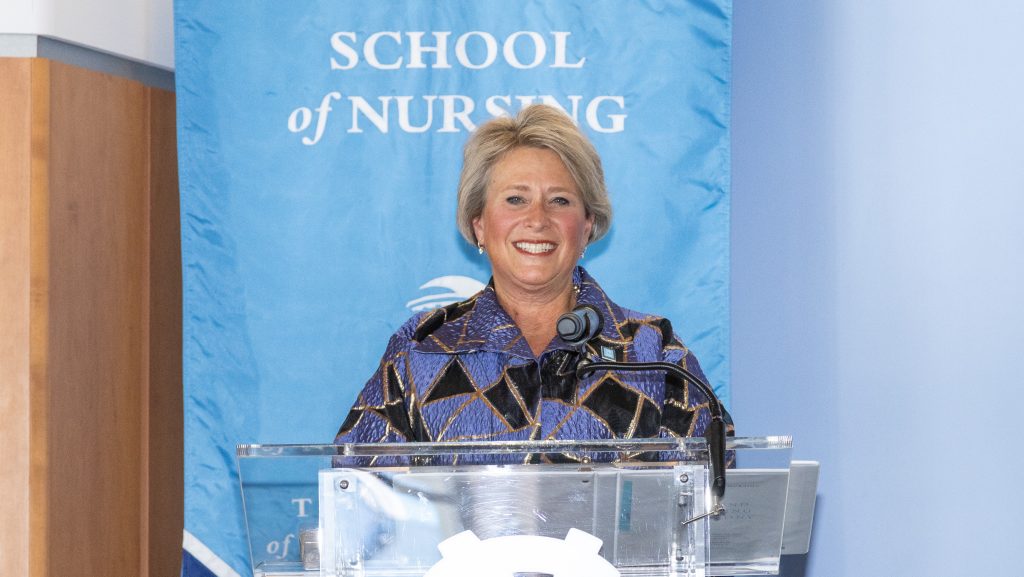
In a word, listening. In my first year as dean, I prioritized listening to our community—faculty, staff and students—and heard two key themes emerge: 1) they wanted to maintain the excellence the School has long been known for while creating more opportunities to collaborate across academic and research programs and 2) they wanted to build a culture of greater welcome and belonging.
At the same time, we started a new strategic planning process, incorporating insights from internal and external stakeholders. Through those insights, it became clear that to meet the resulting Plan’s goals to grow responsibly and excel both operationally and inclusively, our organizational structure and ways of working would need to be reshaped and retooled.
I believe the resulting structure better supports our vision by fostering greater support mechanisms, communication, leadership development and collaboration across and through our programs.
To achieve this reshaping, we de-emphasized our academic programs as our primary means of organization and introduced:

In Fall of 2024, Carolina Nursing introduced a new organizational structure aimed at better supporting faculty, staff, and students while addressing the evolving needs of the nursing profession. This reorganization redefines departments, creates new divisions, and appoints leaders to strengthen critical areas such as faculty development, wellness, and strategic partnerships. These changes align with Carolina Nursing’s vision: to lead the profession and to improve lives for the public good.
No, it wasn’t, actually. Among the things I’m proud of in this reorganization is that it was cost-effective and largely budget neutral.
The hope is that
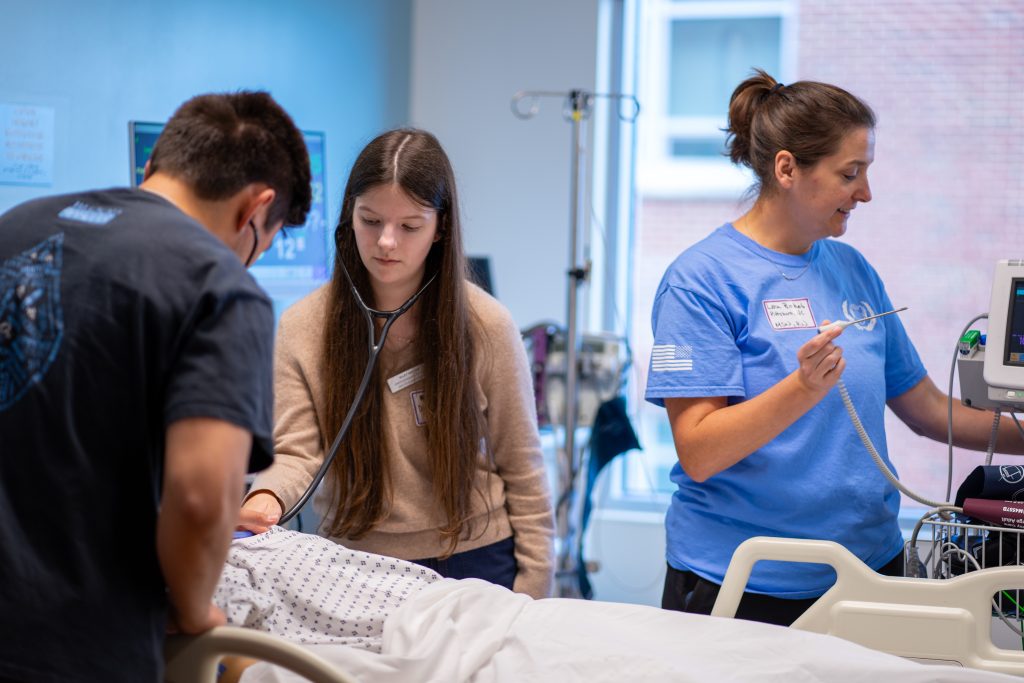
In practical terms, this structure is designed to allow us to be nimble and adaptable to the needs of our students, faculty, the profession and the workforce needs of the state. The new positions allow for more thought-leadership, problem solving and thoughtful action. The new departments and divisions allow for both greater collaboration in teaching and research, and more focused effort in such areas as establishing important partnerships with our community colleges and creating new program pathways that allow access for students from our rural communities to attend Carolina.
At the same time, it is designed to foster a greater sense of community where students, staff and faculty know one another better, work together more often and feel supported and empowered to thrive.
In short, the hope is it will serve as an indispensable underpinning to our goal of equipping our graduates to lead and innovate as educators, scientists, practitioner and executives, and our faculty and partnerships to address the needs of our profession, the workforce, and the health of both individual patients and our communities.
My vision is our community’s collective vision as articulated in our strategic plan: That Carolina Nursing will lead the profession and improve lives for the public good.
The entire aim of the restructuring is in service to that stated vision and our collective promise that at Carolina Nursing:
I believe this new structure positions us well to lead in education, research, and service.
For example, we renamed the Office of Research and Scholarship to reflect the contributions of clinical-track and fixed-term faculty, aligning with our commitment to _driving nursing science and translating discoveries into practice. This inclusive approach extends to global affairs and community partnerships, where we apply lessons learned locally to global contexts.

Oh, tremendously, and in so many ways! And we’re so excited about it — I could go on and on. But in short, the new building will allow our world-class faculty, staff and students to work to their full potential. When you consider that we have been the top-ranked public school of nursing in the nation with what can generously be called inadequate facilities, just imagine what we will be able to make of ones that include:
In short, it represents in physical form what I hope our reorganization represents: our commitment to recruit and retain brilliant, collaborative and diverse faculty and staff that will have the highest caliber resources, facilities, colleagues and technology to enjoy purposeful and long careers at Carolina Nursing — careers that are thriving, fulfilling and creative. And our commitment that our students will learn in an atmosphere of great intellectual energy and will have every tool needed, and opportunity available, to achieve their best for the profession and the populations they will serve.
At the end of the day, every bit of the work we do at Carolina Nursing – whether in designing a new building or in designing a new organizational structure – is ultimately in service to advancing health for our loved ones, our neighbors, our colleagues, our communities – for all of us.

Check out the Summer 2026 issue of Carolina Nursing Magazine here.


