Carolina Nuring honors retiring faculty
April 29, 2025
This year, Carolina Nursing honors six retiring faculty members, whose departures mark the end of their remarkable tenures at the School of Nursing.
Their impact on the nursing profession will be felt for years to come, and their service to the School has been vital to our mission to advance health for all. While it is impossible to capture the full scope of their achievements and impact, their bios below highlight just a few of the many ways they have influenced our students, faculty, and the future of nursing and health care.
Carolina Nursing, our students, and the University have greatly benefited from their expertise and dedication. Their presence—both personally and professionally—will be deeply missed. We wish them fulfillment and joy in their next chapter and hope they will always look back on their time with us with fondness.
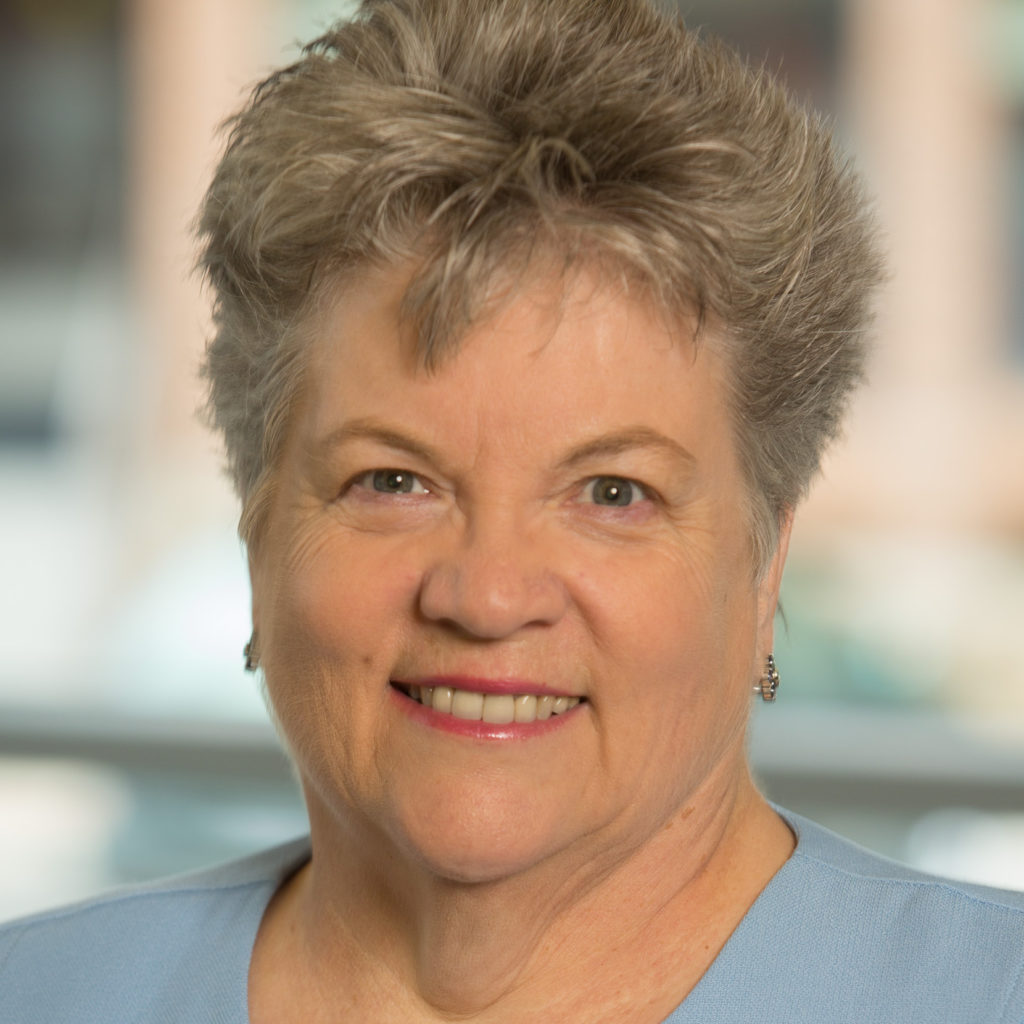
After more than 42 years of dedicated service to the UNC School of Nursing, Dr. Carol Durham will retire on January 1, 2026. Since joining Carolina Nursing as a clinical instructor in 1982, Carol has served in numerous roles, shaping the future of nursing education through her expertise, vision, and dedication to the profession.
Her leadership in simulation-based education began in 1988 when she became Director of the Clinical Education and Resource Center (CERC), laying the foundation for her decades-long impact. Today, as a professor, director of the Education-Innovation-Simulation Learning Environment (EISLE), and faculty lead, she continues to advance nursing education, ensuring Carolina Nursing remains at the forefront of simulation-based learning. Under her leadership, EISLE facilitates over 300 nursing and interprofessional learner encounters per week, supported by a team of staff educators, operations specialists, teaching assistants and faculty. Grounded in the science of simulation, Carol has tirelessly mentored and supported faculty and students, fostering an environment of excellence and innovation.
A nationally and internationally recognized leader in the field, Carol has profoundly influenced nursing pedagogy, faculty development and the integration of evidence-based teaching methods into clinical education. Her contributions have shaped the way simulation is used to enhance student learning and prepare future nurses for real-world practice. As a past president of the International Nursing Association for Clinical Simulation and Learning (INACSL) and a collaborator with the National Council of State Boards of Nursing (NCSBN), she has played a critical role in advancing simulation standards worldwide.
Her contributions to nursing and interprofessional organizations, including the Quality and Safety Education for Nurses (QSEN) initiative and the American Association of Colleges of Nursing (AACN), have further strengthened competency-based learning across nursing programs. A prolific scholar and mentor, she has trained countless faculty and students, ensuring they are equipped with the knowledge and skills to deliver safe, high-quality patient care.
Beyond her professional achievements, Carol is known for her unwavering support of colleagues, her ability to inspire those around her, and her steadfast belief in “assuming positive intent”—a philosophy that has helped shape the culture at Carolina Nursing. Colleagues describe her as a humble yet transformative leader who is always willing to challenge the status quo to enhance student learning, foster faculty engagement and improve patient outcomes. Her dedication to nursing education has earned her numerous accolades, including the 2023 Society for Simulation in Healthcare Director of the Year, reflecting her lasting influence on the field.
Carol’s unparalleled impact on nursing education and simulation will continue to inspire future generations of educators and students. While we will deeply miss her leadership, we celebrate her remarkable career and wish her the very best as she embarks on this well-earned next chapter.
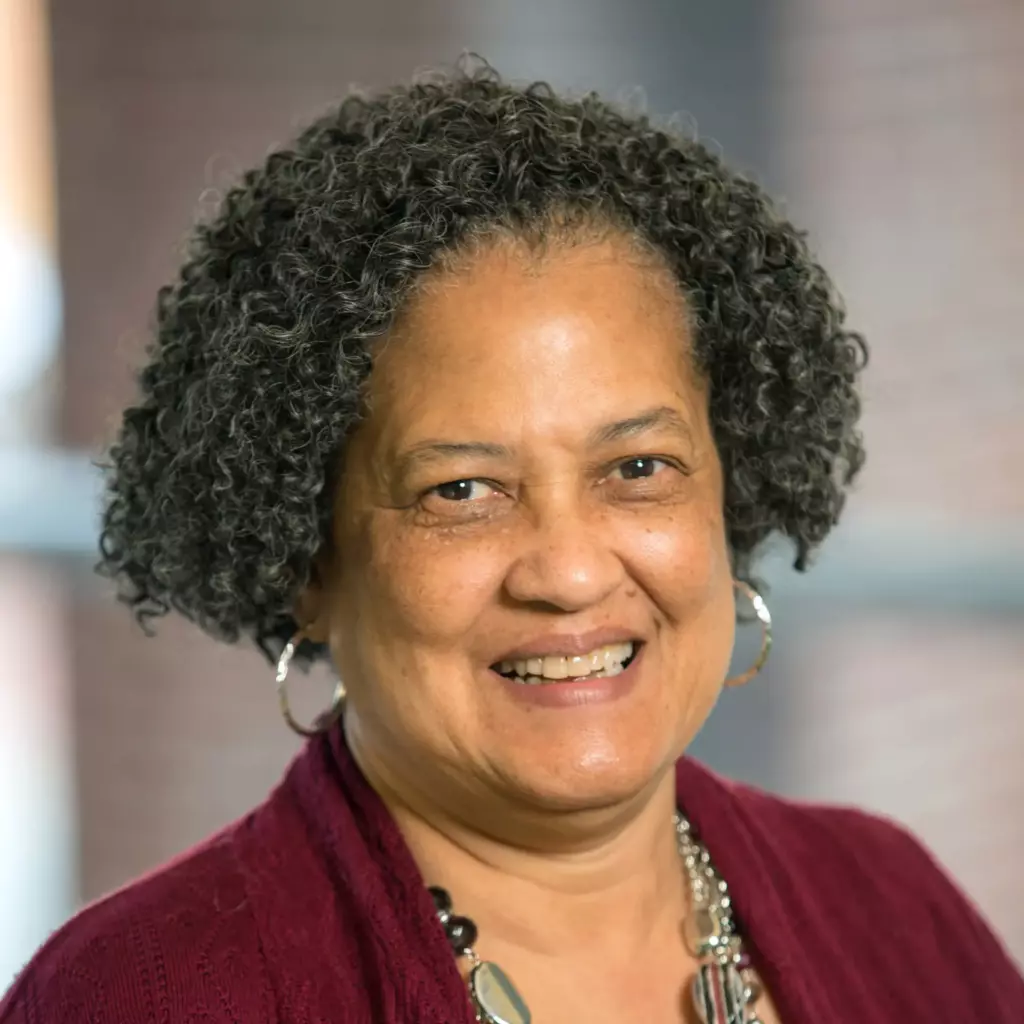
After 23 years of dedicated service to the UNC School of Nursing, Dr. Shielda Rodgers will retire on July 1, 2025. A devoted educator and mentor, Shielda has spent more than four decades working to strengthen nursing education and support student success, particularly for those from historically underrepresented backgrounds.
Shielda joined the UNC School of Nursing faculty in 2002 as a Clinical Associate Professor, bringing with her extensive experience as a nurse educator and clinician. Over the years, she has held multiple leadership roles, including Assistant Dean and later Associate Dean for Inclusive Excellence, before assuming her current position as Associate Dean for Collective Well-Being. Under her leadership, she has helped foster a welcoming and supportive environment for students, faculty, and staff, implementing initiatives that enhance student retention and success.
A tireless advocate, she played a pivotal role in securing a $1.98 million Health Resources and Services Administration (HRSA) grant to establish the Meeting Educational Needs Through Optimization of Retention Strategies for Students (MENTORS2) program, providing critical support for students from disadvantaged backgrounds.
Beyond UNC, Shielda has influenced national conversations on student success and equity in nursing education. She has served as a mentor for participants in the American Association of Colleges of Nursing (AACN) Diversity Leadership Institute and has been sought after by universities, professional organizations and healthcare institutions for her expertise.
Her impact has been widely recognized, earning her numerous accolades, including the UNC Hospital Faculty of the Year Award, the School of Nursing’s HOPE Award (twice), the Educational Excellence Award, and the University’s Excellence in Academic Advising Award. In 2014, she was honored with the Distinguished Alumnus Award from North Carolina Central University and the Living Legend Award from Chi Eta Phi Nursing Sorority. In 2024, she received the Carolina Nursing Honorary Alumni Award for her outstanding contributions to the School of Nursing.
Shielda’s commitment to nursing education, as well as faculty, student and staff success, has shaped the Carolina Nursing community and will continue to influence future generations. As she embarks on this next chapter, we celebrate her remarkable career and extend our deepest gratitude for her service.

After over 34 years of dedicated service to Carolina Nursing, Mary Lynn is retiring from Carolina Nursing on July 1, 2025, leaving behind a remarkable legacy of research, mentorship and service. Mary joined the School of Nursing in 1991 as a research assistant professor, was tenured as an associate professor in 1997, and was promoted to professor in 2007.
Over the years, her work has significantly advanced the field of nursing, particularly in instrument development and testing related to quality of care and work satisfaction. Among her many contributions, her research deepened our understanding of the outcomes of transition programs for new graduate nurses and the employment of doctorally-prepared nurses, helping shape nursing education and workforce development nationwide. She completed an NIH/NINR-funded study on outcomes of nursing care in the acute care setting in 1999 and another on the outcomes of care in the home setting in 2008. Most recently, she co-led a Robert Wood Johnson Foundation project looking at deans’ and directors’ hiring practices and intentions for doctorally-prepared faculty.
A dedicated educator, Mary taught Principles of Measurement for many years, mentoring and guiding generations of doctoral students as they built their own research programs. Her influence on the next wave of nursing scholars is profound, and her commitment to academic excellence will leave a lasting impact on the school.
Beyond her research and teaching, Mary has been an invaluable leader in the School of Nursing, serving nineteen non-consecutive years as Faculty Chair and ten years with the UNC Office of Human Research Ethics. She also played a critical role as Chair of the School’s Appointment, Promotion, and Tenure Committee, ensuring the continued excellence of Carolina Nursing faculty.
After more than 27 years of extraordinary service, Sue Thoyre is retiring from the UNC School of Nursing, leaving behind a profound legacy of research, mentorship, and care.
As the Frances Hill Fox Distinguished Term Professor, Dr. Thoyre has dedicated her career to improving outcomes for some of our most vulnerable patients—preterm infants experiencing feeding challenges. Her work has transformed clinical approaches and deepened our understanding of the complex physiologic and behavioral dimensions of infant feeding.
Dr. Thoyre’s research has long exemplified the best of interdisciplinary scholarship, integrating physiological measures with behavioral observation to create more nuanced, effective interventions for infants and their families. Her mentorship has shaped a generation of nurse scientists and clinicians, many of whom have gone on to advance the field of pediatric nursing in their own right. She was also instrumental in mentoring doctoral students through an apprenticeship-style model, cultivating rigorous research skills in both data collection and compassionate, patient-centered inquiry.
Beyond her scholarly contributions, Dr. Thoyre has been a generous colleague, a thoughtful educator, and a steadfast advocate for evidence-based practice. Whether in the lab, the classroom, or the clinic, her dedication to excellence and innovation has touched every corner of our School. Her international collaborations and long-standing leadership in NIH-funded training programs speak to the far-reaching impact of her work.
As Dr. Thoyre begins this well-earned next chapter, we extend our deepest gratitude for all she has given to Carolina Nursing. Her influence will continue to be felt in our classrooms, our research labs, and in the lives of countless infants and families around the world.

After more than 23 years of dedicated service to the University of North Carolina at Chapel Hill, Dr. Marcia Van Riper will retire on August 1, 2025, following a distinguished career of scholarship, mentorship and leadership in family health and genomics.
She joined the School of Nursing as an associate professor in 2001 with a joint appointment in the Carolina Center for Genome Sciences. She was tenured as an associate professor in 2006 and promoted to professor in 2012. She served as the Chair of the Family Health Division from 2007 to 2017. Over the course of her career, Marcia has played a pivotal role in advancing family nursing research and genomic education.
An internationally recognized leader in family nursing and genomics, Marcia has enhanced UNC’s standing in family research, as well as research concerning the ethical, legal and social implications of advances in genomics. Her program of research has focused on the family experience of being tested for and living with a genetic condition, with special emphasis on families of individuals with Down syndrome. One of the largest studies conducted by Marcia and her international team of researchers was a study of adaptation and resilience in families of individuals with Down syndrome. Over 3000 parents of individuals with Down syndrome from more than 50 countries participated in the study.
Marcia has been instrumental in integrating genomics into nursing curricula, ensuring students graduate with a strong foundation in genetics and its role in patient care. A dedicated educator, she has led global learning experiences and served as a Fulbright Scholar in Ireland, a Fulbright Specialist in Spain and a Fulbright Specialist in Iceland. She has also been a visiting professor in Brazil, Scotland, Portugal, Spain and Taiwan.
Her contributions to nursing education and research have earned her numerous honors, including the International Family Nursing Association Excellence in Family Nursing Award, the Women’s Leadership Council Faculty Mentoring Award, the International Society of Nurses in Genetics Founders Award for Outstanding Nursing Education in Genetics, and the International Society of Nurses in Genetics Founder Award for Outstanding Genetic Research and Scholarship. In July, she will be inducted into Sigma Theta Tau’s International Nurse Researcher Hall of Fame.
A Fellow of the American Academy of Nursing, Marcia has also been recognized for her exceptional leadership and advocacy for the integration of genomics into family nursing practice. Her guidance has shaped the careers of countless students and colleagues, leaving a lasting impact on the School of Nursing.

After 18 years at Carolina Nursing, Professor SeonAe Yeo is retiring on July 1, 2025. Her career has been marked by groundbreaking research, unwavering commitment to improving maternal health, and the establishment of global partnerships that will have a lasting impact on the field of nursing.
SeonAe joined the UNC School of Nursing faculty in 2007 as an Associate Professor and was promoted to Professor in 2016. She has been a leader in women’s health, public health, and nurse-midwifery, with a research focus on health promotion and risk reduction for pregnant women at risk. Her studies have spanned from investigating passive immunity in low-birth-weight infants to understanding birth experiences among Japanese expatriates in the U.S.
One of SeonAe’s most significant contributions to the field is her research on achieving healthy weight gain during pregnancy among obese women from low-income backgrounds. Her NIH/NINR-funded study, Promoting Stretching Exercise to Reduce Cardiovascular Health Risk in Late Pregnant Women with Obesity, explored the benefits of stretching exercises as a practical and cost-effective intervention to prevent complications such as preeclampsia. Her work has influenced national and international approaches to maternal health and remains a vital resource for improving prenatal care.
Beyond her research, SeonAe’s impact extends internationally. Her leadership was instrumental in helping establish Japan’s first Doctor of Nursing Practice (DNP) program at St. Luke’s International University in Tokyo. Through years of collaboration, she played a pivotal role in developing the program’s curriculum, guiding faculty and mentoring students. Dr. Yeo and her colleague Dr. Mark Toles traveled to Japan multiple times to teach courses, lead faculty seminars, and consult with students and faculty. Thanks to her vision, St. Luke’s DNP program is now preparing a new generation of nursing leaders in Japan, empowering them to translate research into practice and improve healthcare outcomes in their communities.
Throughout her career, SeonAe has embodied a deep passion for nursing education, research and mentorship. Her ability to foster cross-cultural collaboration and her commitment to improving maternal health on a global scale are just a few of the many reasons she will be greatly missed.


