
Publication and presentation roundup — Spring 2025
The latest scholarly work from the UNC School of Nursing
Carolina Nursing faculty, staff, and students are actively sharing their research findings on critical health care topics through publications in academic journals, presentations at national and international conferences, and features in various media outlets, including articles, podcasts, and more.
Take a look at the selection of publications, presentations, and media features below to learn more about how Carolina Nursing experts are advancing health for all by addressing the greatest health care challenges of our time.
Please note that the following list was compiled based on information submitted by our researchers and is categorized into presentations and publications.
Have a publication, presentation, or media feature to share to share? School of Nursing faculty, students and staff can submit information here to be included in the next roundup.
Publications
Understanding the Multidimensionality of Caregiving Appraisal: A Concept Analysis
Tamryn Fowler Gray, PhD, RN, MPH, is advancing the science of caregiving through two recent publications focused on caregiver experiences and needs.
The first study—a concept analysis using Rodgers’ evolutionary model—was designed to clarify the multidimensional nature of caregiving appraisal. Through a systematic review of 86 studies across six databases, Dr. Fowler Gray and co-authors revealed inconsistencies in how caregiving appraisal is defined and measured. Their findings call for an updated framework beyond Lawton’s model to better reflect the evolving realities of healthcare and caregiving.
The second study, a qualitative analysis, examined how caregivers of adults undergoing stem cell transplants process and respond to pre-transplant and post-discharge education. Drawing on interviews with 14 caregivers of HSCT patients, the research sheds light on the information gaps and emotional demands caregivers face during critical transitions in care.
“Family caregivers are critically important to the health and well-being of patients impacted by serious illness,” said Dr. Fowler Gray. “Continued research is essential to build evidence-based practices that support caregivers and strengthen the sustainability of caregiving itself.”
Unmet needs among long-term breast cancer survivors
Rachel Hirschey, PhD, RN, continues to advance the science of survivorship through two recently published studies examining long-term outcomes among breast cancer survivors. Both studies utilize data from the Carolina Breast Cancer Study, a population-based cohort that includes racially and socioeconomically diverse participants.
The first study, published in Cancer Causes & Control, identifies ongoing unmet needs among survivors years after treatment—ranging from emotional support to practical assistance and health system navigation.
The second study, published in Cancer, documents high rates of persistent lymphedema and peripheral neuropathy—two debilitating symptoms that can impact daily functioning and quality of life.
These findings highlight the need for survivor-centered care models that extend beyond initial treatment and address the lasting impacts of cancer and its treatment.
“Many breast cancer survivors continue to face significant challenges years after treatment ends,” said Dr. Hirschey. “Our findings emphasize the importance of developing long-term care strategies that are responsive to the physical and emotional realities of survivorship.”
Carolina Nursing faculty and partners have published a new article in Nurse Leader on the power of academic-practice partnerships (APPs) to improve workplace safety and promote healthier work environments for nurses and nursing students.
The team—Ashley Kellish, DNP, RN, CCNS, NEA-BC; Sinhye Kim, PhD, RN; Brittany Kenyon-Flatt, MA, PhD; Becky Peterson, BSN, RN; Lorie Rhine, MSN, RN, NE-BC; Jacci Jacobs, DHAc, MHA, MBA, RN, NE-BC; Angela Overman, MSN, RN, NEA-BC; Julia Aucoin, DNS, RN, NPD-BC; and Dean Valerie Howard, EdD, MSN, RN, CNE, ANEF, FAAN—documented their work implementing a simulation-based training program to help nurses respond to and prevent workplace violence.
This initiative not only supports nurse well-being and safety but also reinforces the value of strong academic-practice collaboration. The published training manual serves as a model for other institutions looking to replicate this impactful work.
Postdoctoral Fellow, Natasha Burse, DrPH, MS, manuscript, “The Role of Physical Activity on Quality of Life among Breast Cancer Survivors in the Black Women’s Health Study,” was accepted for publication in the Journal of Racial and Ethnic Health Disparities.
Dr. Burse’s study examined the relationship between physical activity (PA) and multiple quality of life (QoL) domains in 904 participants from the Black Women’s Health Study. Findings showed that Black breast cancer survivors who engaged in at least 150 minutes of moderate PA per week had significantly better social functioning and functional wellbeing. Similarly, those who completed 60 or more minutes of vigorous PA per week experienced greater physical health, social functioning, and financial wellbeing.
This research highlights the critical role of physical activity in improving QoL outcomes and contributes important evidence to support more inclusive, equitable cancer survivorship care.
Kea Turner, PhD, served as the lead author on the recently published article, “Selecting and tailoring implementation strategies for deimplementing fall prevention alarms in US hospitals: a group concept mapping study” in BMJ Quality & Safety.
As part of the study, hospital staff working on fall prevention participated in group concept mapping and focus groups to recommend and prioritize strategies for reducing hospitals’ overreliance of fall prevention alarms. Hospital staff also provided feedback on how strategies for reducing fall prevention alarm use should be tailored to address barriers and facilitators at the local level.
The article highlights key recommendations from hospital staff for ensuring success during deimplementation initiatives, such as pairing programs to reduce low-value care with programs to increase evidence-based care, to minimize staff resistance towards deimplementation.
Considering the complexity of professional identity for public health nurse workforce enumeration
Shawn Kneipp, PhD, RN, ANP, PHNA-BC, authored the article “Considering the Complexity of Professional Identity for Public Health Nurse Workforce Enumeration,” published in the American Journal of Public Health. The article discusses the challenges in accurately counting the public health nurse (PHN) workforce in the United States. Bekemeier et al. contribute by using nurses’ self-reported specialty areas to identify PHNs across various governmental settings, revealing a decline in the PHN workforce, including a 36% drop preceding COVID-19.
The study emphasizes the complexity of nurse identity and its impact on enumeration, noting that many nurses identify with unspecified specialties due to their broad roles. The authors call for more precise data to better understand PHN functions and improve future workforce enumeration.
DNP students Mika Kuroki and Abigail C. Short, along with Lorinda A. Coombs, PhD, MSN, FNP-BC, AOCNP, authored the article “Chlorhexidine Gluconate Treatment Adherence Among Nurses and Patients to Reduce Central Line-Associated Bloodstream Infections.”
The article reviews the use of chlorhexidine gluconate (CHG), an antimicrobial topical treatment, to reduce central line-associated bloodstream infections (CLABSIs) in patients with cancer, particularly those undergoing bone marrow transplantations. The review identifies effective CHG interventions, barriers to CHG use, and multilevel educational programs that improve adherence rates. The findings highlight three key themes: the efficacy of CHG in reducing hospital-acquired infections, barriers to CHG use, and educational programs that enhance CHG adherence.
Incorporating Nurse Navigation to Improve Cancer Survivorship Care Plan Delivery
Lindsey Causey, Beth Spencer Smith, Ashley Leak Bryant, PhD, RN, OCN, FAAN, and Lorinda A. Coombs, PhD, MSN, FNP-BC, AOCNP, authored the article “Incorporating Nurse Navigation to Improve Cancer Survivorship Care Plan Delivery,” published in CJON. The article evaluates the impact of incorporating a survivorship oncology nurse navigator (SONN) into an advanced practice provider-led team to improve social determinants of health (SDOH) screening and survivorship care plan (SCP) delivery at a community-based cancer center.
The study measured rates of previsit education, SCP completion, advanced practice provider-led SCP visits, and SONN-led SCP visits before and after the intervention. Findings showed SCP completion increased from 49 to 159, with 94% completion among patients who received education from the SONN. Screening for SDOH improved from 0% to 89%, and all patients who did not speak English as a primary language received the SCP in their primary language after the intervention.
Antenatal Substance Exposure and Infants’ Telomere Length: A Scoping Review
Rose Mary Xavier, PhD, MS, RN, PMHNP-BC, FAAN, FAANP, has co-authored a manuscript titled “Antenatal Substance Exposure and Infants’ Telomere Length: A Scoping Review.” This research examines the effects of substance use during pregnancy on infants, focusing on telomere length as a biomarker. The authors suggest that telomere length could be a predictor of the effects of substance use on offspring. Most studies indicate a negative correlation between antenatal substance use and infant telomere length, although the findings have been inconsistent. The study highlights the need for more research, especially longitudinal studies, to better understand these impacts. This research underscores the importance of further investigation into how prenatal substance exposure affects infant health, potentially guiding future healthcare policies and interventions.
Education and Support Program Design for Reserve-Connected Children: A Systematic Review
A recent systematic review co-authored by Peggy Wilmoth, PhD, RN, FAAN, along with Carolina Nursing students Ratchanok Phonyiam and Wenxin Bian, examines the limited educational and support programs available for RC children in U.S. schools.n U.S. schools.
Their study found that despite the unique stresses these children face—often more severe than those of active-duty military children—only two tailored school-based programs exist. The review highlights the urgent need for school systems to collaborate with experts in developing structured, evidence-based interventions to support RC children’s adjustment, social support, and parenting resources.
Ashley Leak Bryant, PhD, RN, OCN, FAAN, and colleagues outline a multi-phase, hybrid trial aimed at improving adherence to targeted oral anticancer agents (OAAs). Using social cognitive theory and implementation science, the study identifies barriers, refines strategies, and pilots a theory-driven intervention across clinical settings. By developing a scalable and sustainable adherence support model, this research has the potential to enhance patient outcomes and integrate adherence monitoring into routine oncology care.
Optimizing Adherence to Oral Anticancer Agents: Results from an Implementation Mapping Study
Ashley Leak Bryant, PhD, RN, OCN, FAAN, and colleagues conducted a mixed-methods study to enhance adherence to oral anticancer agents (OAAs) in real-world oncology settings. Using implementation mapping, they developed six key strategies, including electronic health record (EHR) templates, standard operating procedures (SOPs), and motivational interviewing training. Oncology professionals rated EHR templates and SOPs as the most feasible approaches, while interviews emphasized leadership support and clear documentation as critical factors. Future research will test these strategies in a hybrid trial to improve patient adherence and cancer care outcomes.
Rachel Hirschey, PhD, RN, FAAN, co-authored a study published in Cancer examining the long-term effects of breast cancer treatment, particularly persistent lymphedema and peripheral neuropathy. Using data from the Carolina Breast Cancer Study, which tracked survivors for over a decade, researchers found that 18.7% of survivors experienced lymphedema, 27.7% had peripheral neuropathy, and 8.8% reported both conditions.
The study highlighted disparities in survivorship, with Black survivors, younger women, and those who underwent extensive lymph node removal or taxane-based chemotherapy experiencing higher burdens. These findings emphasize the need for targeted interventions to improve quality of life for long-term breast cancer survivors.
Peggy Wilmoth, PhD, MSS, RN, FAAN, served as the lead author on the recently published article, “Civilian Health Care Systems Must Recognize and Study Military Service as a Social Determinant of Health,” in Military and Veterans and Population Health. This work examines how military service significantly impacts physical and mental health outcomes, calling for recognition of military service as a key social determinant of health (SDOH).
The article highlights critical gaps in electronic health records (EHRs), which often fail to capture military service history, leaving many veterans invisible within civilian healthcare systems. Dr. Wilmoth and her co-authors advocate for policy reforms to integrate military service data into all EHRs and call for increased education among healthcare providers about the unique health challenges faced by veterans. This comprehensive approach aims to improve health outcomes for the millions of Americans who have served.
Beth Cosgrove, PhD, CPNP-PC, RN, Lisa Woodley, PhD, MSN, RN, CNE, CHPN and Gabrielle Grant have published a study titled “Collaborative Online International Learning With Prelicensure Nursing Students: Teaching Family-Centered Care Through a Global Perspective.” The research highlights the use of Collaborative Online International Learning (COIL) to teach prelicensure nursing students in the United States and Brazil about family-centered care, aiming to cultivate inclusive, global nursing practices.
The study, based on six focus groups with 37 students, revealed that COIL fosters understanding of family needs in chronic care, promotes application of family-centered care concepts, and enhances cultural awareness through self-reflection. These findings underscore COIL’s potential as an innovative and effective tool for developing culturally competent and globally-minded nursing professionals.
Beth Cosgrove, PhD, CPNP-PC, RN, Lisa Woodley, PhD, MSN, RN, CNE, CHPN, and Gabrielle Grant have published “A Global Approach to Nursing Education: Evaluating the Impact of COIL on Undergraduate Students in the US and Brazil.” This study examines the effectiveness of a Collaborative Online International Learning (COIL) project conducted over four academic semesters, involving more than 500 undergraduate nursing students from the United States and Brazil.
Guided by the Cross-Cultural Alignment Model, the project evaluated students’ self-reported efficacy in applying global nursing concepts in pediatric care, focusing on chronic conditions and family-centered care. Using a retrospective pre-post survey, the study found that COIL significantly improved cultural responsiveness, awareness of health disparities, understanding of social determinants of health, and the ability to provide family-centered care. Notable differences in COIL’s impact among various student groups were also observed. The authors call for further research to refine COIL implementation and assess outcomes with rigorous study designs and qualitative insights.
Clinician Experiences With Integrative Group Medical Visits for Chronic Pain
Isabel Roth, DrPH, MS, and Jennifer Leeman, DrPH, MPH, MDiV, contributed to a new publication led by Dr. Mary Jackson, Postdoctoral Research Fellow in Complementary and Integrative Health at the School of Medicine.
This marks the first publication from PI Isabel Roth’s funded K01 Career Development Award from the National Center for Complementary and Integrative Health, titled “Scaling-Up Integrative Pain Management in Federally Qualified Health Centers.” The study explores the impact of Integrative Group Medical Visits (IGMVs) on clinicians delivering this innovative care model for patients with chronic pain. While previous literature has suggested IGMVs may help alleviate clinician burnout, this is the first data-based publication to investigate this claim. Isabel Roth noted, “It was clear from these interviews that the primary care clinicians who implement integrative groups for patients with chronic pain are deeply passionate about what they do. They are trying to change the way we deliver healthcare and strengthen communities.”
Presentations
Mindfulness in U.S. Healthcare: Breaking Barriers, Creating Change
Isabel Roth, DrPH, MS, was featured in Brown University’s Evolution of Mindfulness speaker series on April 29. Her talk, Mindfulness in U.S. Healthcare: Breaking Barriers, Creating Change, explored how mindfulness-based programs (MBPs) can be integrated into clinical settings—especially for patients experiencing chronic pain.
Roth discussed common barriers to implementing MBPs in primary care and highlighted strategies for ensuring these programs are accessible and sustainable.
“It’s always a challenge to try something new or different,” said Roth. “But it’s heartening to see people building community and enhancing their own wellbeing despite difficulties.”
Creating Healthy Work Environments 2025 | Sigma International Nursing Conference
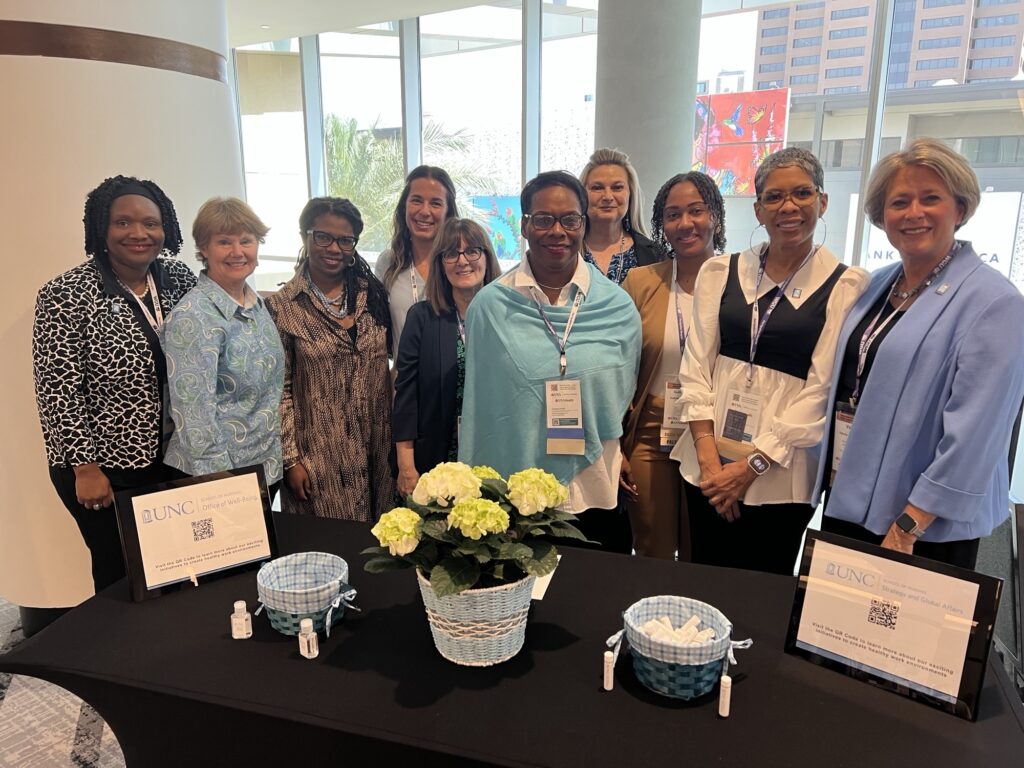
Carolina Nursing joined more than 500 nursing leaders and Sigma members in Phoenix, Arizona, for the 2025 Creating Healthy Work Environments conference, held March 28–30. Centered on the theme From Surviving to Thriving: Transformation to a Healthy Work Environment, the event provided a space for academic and clinical leaders to share strategies for improving workplace culture and well-being in nursing. Attendees had the opportunity to collaborate, learn from peers across the globe, and bring new ideas back to their organizations.
Abstracts Published in Conference Proceedings
Davison, J. (2025 March). Providing Robust Education on Whole Health Assessment While Enhancing Professional Well-Being. Presenter at the Creating Healthy Work Environments, Sigma Nursing International Conference. Phoenix, Arizona
Davison, J. (2025 April). Evidence-Based Practice at a Nurse-led Free Mobile Clinic in Partnership with Food Pantries to Address Risk Factors Associated with Food Insecurity Poster Presentation at the Diane Berry Research Day, UNC – Chapel Hill, NC
Davison, J., Price, Carmen. (2025 Feb). Providing AI at the Frontlines: Overcoming Barriers to Promote Health Equity in Mobile Health Clinics. Presenter at Bridging the Digital Divide: Leveraging Technology and Data for Health Equity, 46th Annual Minority Health Conference. UNC Gillings School of Global Public Health, Chapel Hill, NC.
International Society for Computerized Electrocardiology Annual Conference
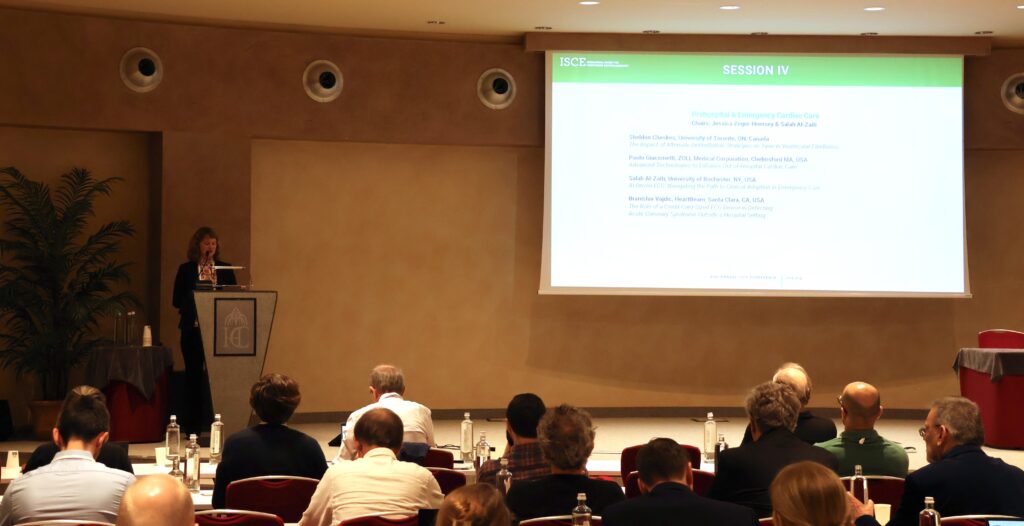
Jessica Zègre-Hemsey, PhD, RN, FAHA, organized and Chaired a session titled “Prehospital & Emergency Cardiac Care” at the annual International Society for Computerized Electrocardiology (ISCE). She brought together leading international experts in the field to develop the first session of this kind.
Topics included innovative and novel research about alternate defibrillation strategies in ventricular fibrillation, advanced technologies for out-of-hospital cardiac care, AI-drive ECG and clinical adoption in emergency care, and novel remote cardiac monitoring devices for heart attack detection.
In addition to helping organize and Chair at this year’s ISCE, Dr. Zègre-Hemsey presented a research abstract: “Conformal Model Combination: A strategy to merge multiple prehospital ACS predictors and tradeoff efficiency,” which also included Rebecca Kitzmiller, PhD, MHR, MSN, RN, BC, and PhD student, Juan Garcia PhD(c) in computer science.
Oncology Nursing Society Congress
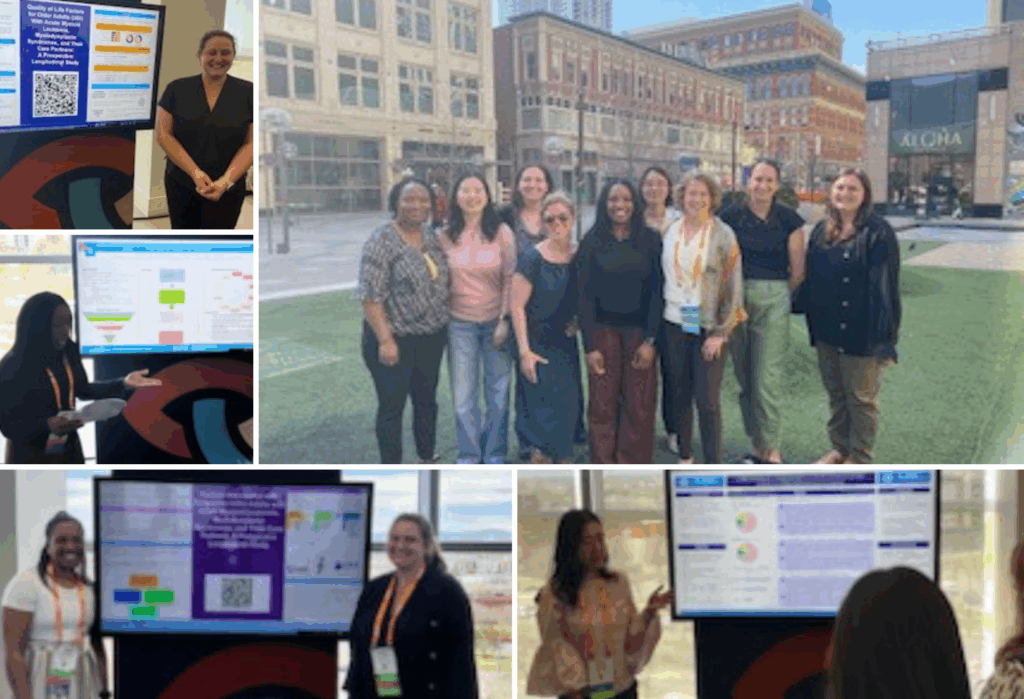
UNC School of Nursing was well represented among more than 4,000 oncology nurses who gathered in Denver, Colorado, for the 50th Annual Oncology Nursing Society (ONS) Congress. The event, recognized as the largest oncology nursing conference in the country, featured five days of education, peer learning, and professional growth. Carolina Nursing faculty, students, and postdoctoral fellows joined colleagues from across the nation to share research, strengthen clinical practice, and celebrate 50 years of advancing the oncology nursing profession.
Presentations from UNC School of Nursing included:
- Factors Associated with Fatigue for older Adults with Acute Myeloid Leukemia, Myelodysplastic Syndrome: A Prospective Longitudinal Study | Danielle Steele Anderson, AAS, NA II
- Optimizing Symptom Management Through RN-Led Symptom Assessments and Collaborative Adaptive Strategies | Danielle Steele Anderson, AAS, NA II
- Implementing AI-Generated Simulated Patients in Oncology Nursing Education: A How-To Guide for Nurse Educators | Lena Brokob, DNP, RN
- Quality of Life Factors for Older Adults (≥60) With Acute Myeloid Leukemia, Myelodysplastic Syndromes, and Their Care Partners: A Prospective Longitudinal Study | Victoria Crowder, PhD, RN
- Understanding the caregiving burden in family caregivers of AML patients receiving outpatient-based treatment | Ahrang Jung, PhD, RN
- Integrating Palliative Care in Adults Undergoing Allogeneic Hematopoietic Stem Cell Transplantation: An Evidence-Based Needs Assessment for Patients and Clinicians | Abigail Short, BSN, RN, OCN
- Professional Development Through Nurse-Scientist Collaboration: Recruiting Black Patients with Colorectal Cancer for a Physical Activity Randomized Controlled Trial | Jingle Xu, MSN, MS
A Community-participatory Physical Activity Intervention for Black Colorectal Cancer Survivors
At the 46th Annual Meeting of the Society of Behavioral Medicine (SBM) in San Francisco, CA, Dr. Rachel Hirschey presented a poster on the PACE Study: A Community-participatory Physical Activity Intervention for Black Colorectal Cancer Survivors. Co-authors from the school of nursing include Drs. Ashely Leak Bryant, Tammy Triglianos, Baiming Zou, and Natasha Burse, as well as PhD candidate Ms. Jingle Xu and UNC SON PhD alumna Rebecca Hoover. The PACE Study exemplifies the power of community-engaged research to improve health outcomes.
“Presenting the PACE Study at SBM was an incredible opportunity to share how community voices are driving innovative survivorship research,” said Dr. Hirschey.
A Systematic Qualitative Synthesis of Familial Influences on Cancer Survivors’ Dietary Behaviors
Jingle Xu, PhD candidate at the UNC School of Nursing, presented her dissertation research at the 46th Annual Meeting of the Society of Behavioral Medicine (SBM), held March 26–29 in San Francisco, CA. Her poster, “A Systematic Qualitative Synthesis of Familial Influences on Cancer Survivors’ Dietary Behaviors,” described how family dynamics shape nutrition choices and habits after cancer treatment.
Xu’s work provides valuable insights into the complex ways in which family members support—or sometimes hinder—survivors’ efforts to adopt healthier eating patterns. Her findings will inform future interventions that aim to improve survivorship outcomes through family-centered approaches. Xu is mentored by dissertation chair Dr. Rachel Hirschey, with Drs. Jennifer Leeman and Baiming Zou serving on her committee from the UNC SON.
“Jingle’s work highlights the powerful influence of family on health,” said Dr. Hirschey. “By centering the voices of both survivors and their loved ones, her research lays the groundwork for more holistic and effective nutrition interventions.”
From TAPP to Treasure: The Impact of Creating and Sustaining a Robust Academic-Practice Partnership
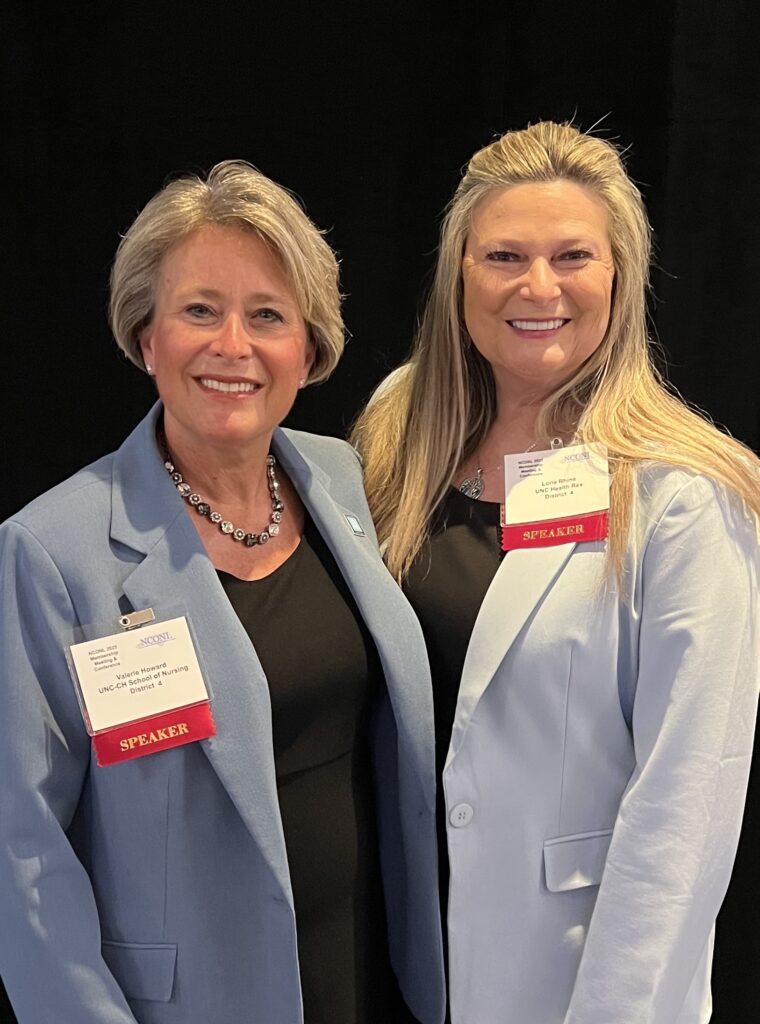
Dean Valerie Howard, EdD, MSN, RN, CNE, ANEF, FAAN and Chief Nurse Executive at UNC Health, Lorie Rhine, MSN, RN, NE-BC, presented at the NC Organization of Nurse Leaders Convention in Greensboro, where more than 250 nurse leaders from across North Carolina gathered to discuss the future of nursing leadership and innovation.
Their presentation highlighted the importance of strong collaborations between academic institutions and healthcare organizations. They shared insights on the Tarheel Academic Practice Partnership (TAPP), a joint initiative between UNC Health, another leading healthcare agency, and Carolina Nursing.
One of the first major successes of the partnership was securing external funding to develop a program that fosters healthy work environments for nurses, ensuring support for both current and future generations in the profession. This initiative underscores the power of academic-practice partnerships in advancing nursing education, improving patient outcomes, and strengthening the healthcare workforce.
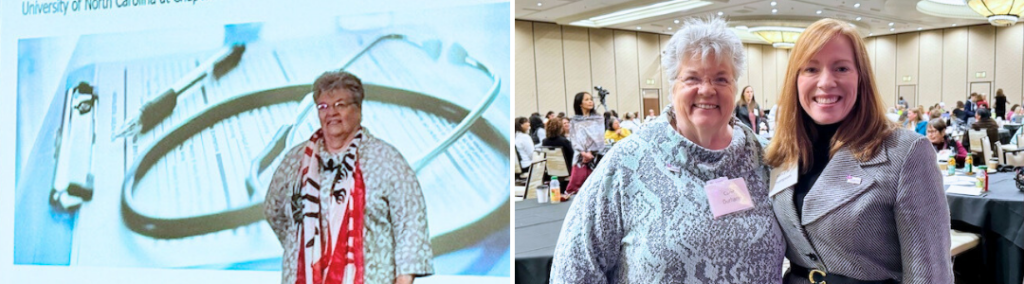
Educating Nurses: A Radical Transformation 2025 Conference
Carol Durham, EdD, RN, ANEF, FAAN, FSSH, was a keynote speaker at the inaugural Educating Nurses: A Radical Transformation 2025 Conference in Las Vegas, sponsored by the Benner Institute for Teaching and Learning and HealthImpact. She presented “Thinking Like a Nurse: Why it Matters,” sharing expert insights on experiential teaching and learning with nationally recognized nurse faculty.
Additionally, Drs. Carol Durham and Nancy Jo Thompson, DNP, MSN-Ed, RN, were invited to present “Transformative Learning Strategies: Optimizing Clinical Competency through Case-Based Education.” This session provided nursing faculty and practice leaders with actionable strategies to close the practice gap and enhance clinical education.
Presentation Learning Outcomes
1. Transform educational experiences by incorporating real patient cases to develop critical thinking.
2. Facilitate the integration of essential clinical competencies for practice using case-based learning.
3. Implement strategies that enhance clinical reasoning, judgment, and decision-making.
Recognizing and Destigmatizing Mental Illness: An Evidence-Based Community Approach
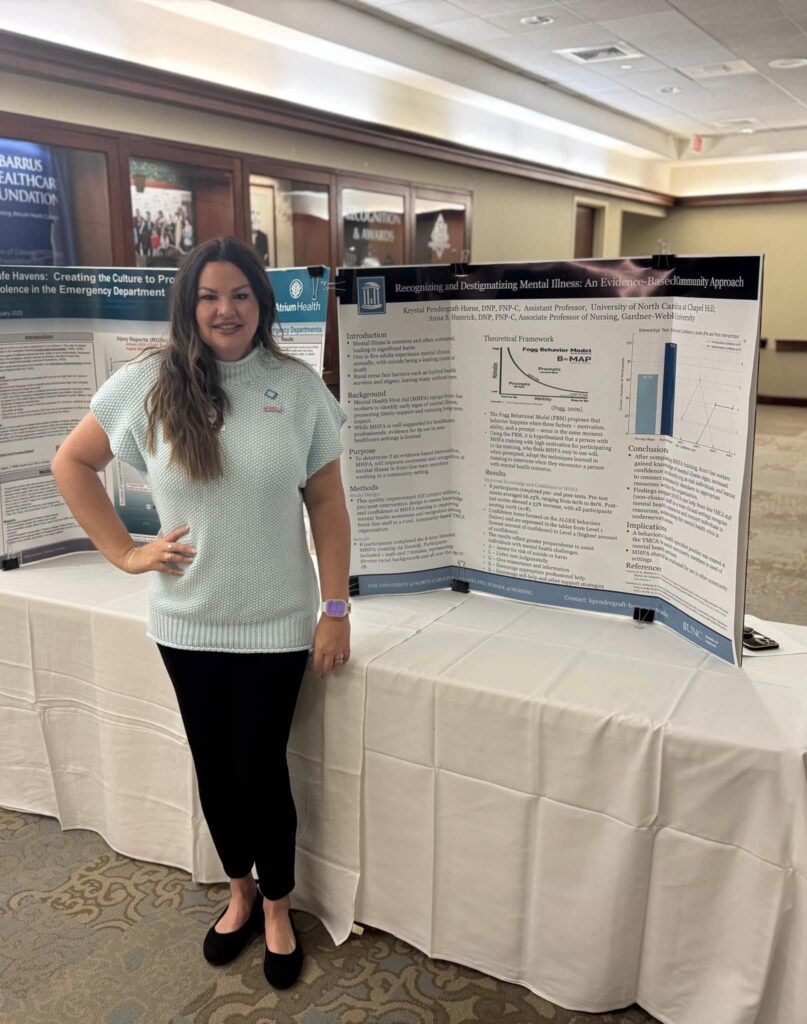
Krystal Pendergraft-Horne, DNP, FNP-C, RN, presented “Recognizing and Destigmatizing Mental Illness: An Evidence-Based Community Approach” at the NCNA DNP Leadership Summit. This project sought to address the stigma surrounding mental illness through a community-driven initiative emphasizing education, awareness, and skill-building. Using evidence-based practices, the program incorporated Mental Health First Aid (MHFA) training to equip participants with tools to recognize and respond to mental health challenges. Delivered in a rural community center (YMCA), MHFA training was provided in a blended format to front-line workers, empowering them to identify signs and symptoms of mental illness among community members.
The initiative fostered an inclusive environment by engaging healthcare professionals, educators, and local leaders in open dialogue about mental health. Participants reported increased knowledge of mental health conditions, reduced stigma as measured by validated surveys, and enhanced confidence in assisting individuals experiencing mental health challenges as evidenced by pre- and post-test scores on knowledge and confidence.
Front-line workers referred community members to behavioral health specialists within the YMCA organization, ensuring immediate access to care and resources. This evidence-based program demonstrated the effectiveness of community-centered strategies in reducing barriers to mental health care. By normalizing conversations around mental illness and integrating MHFA training, the project provides a scalable model for promoting mental well-being and destigmatizing mental health conditions in similar communities.
Mitigating Racism in Healthcare
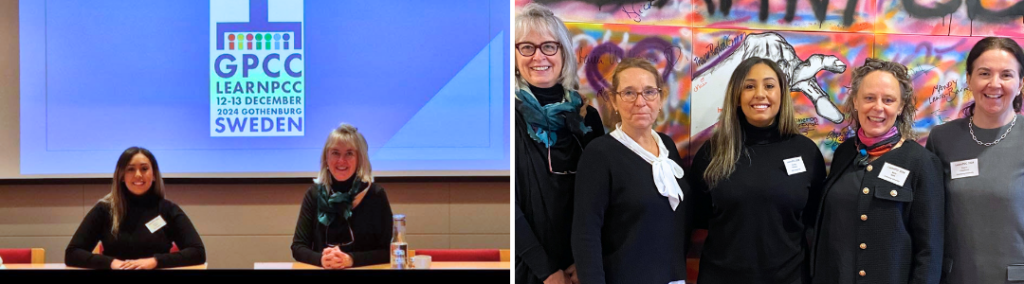
Theresa Raphael-Grimm, PhD, PMHCNS-BC, with her project team from Jonkoping University in Sweden, presented at the Learning about Person-Centered Care in Higher Education conference in Gothenburg, Sweden. The team delivered both a podium presentation and a workshop, sharing insights from their Collaborative Online International Learning (COIL) module, Mitigating Racism in Healthcare which was implemented in N746 (Health Care Policy and Leadership) this past fall.
PMHNP graduate student Cydney Pearson attended the conference and played a key role in helping an international audience understand the student perspective on the COIL project. She also attended sessions on teaching person-centered care across different settings, including hospitals, graduate programs, and workplace environments. This experience not only provided exposure to international perspectives on person-centered care but also offered valuable cultural immersion with Swedish colleagues.
Reflecting on her experience, Cydney emphasized the profound impact of the COIL project on her understanding of global healthcare perspectives and cultural exchange:
“The COIL project provided an invaluable platform for meaningful dialogue on complex and often challenging topics. Through comparing global perspectives on critical issues such as racism, healthcare, and education, I gained profound cultural insights. Exploring the Swedish system, in particular, deepened my understanding of how historical events—such as slavery and immigration—continue to shape diversity in contemporary societies.
Cydney also commented that both the COIL experience and her participation in the conference were enhanced by the warm and inclusive environment that fostered open communication and made it easy to connect, share, and learn from others. “This experience (both the COIL module and the conference) not only broadened my global perspective but also strengthened my appreciation for cultural exchange. I am deeply grateful the opportunity to participate in both the COIL educational module and the Patient Centered Care Conference. Attending the conference was made possible, in part, by the School of Nursing Office of Strategy and Global Affairs.”
AACN Transform 2024
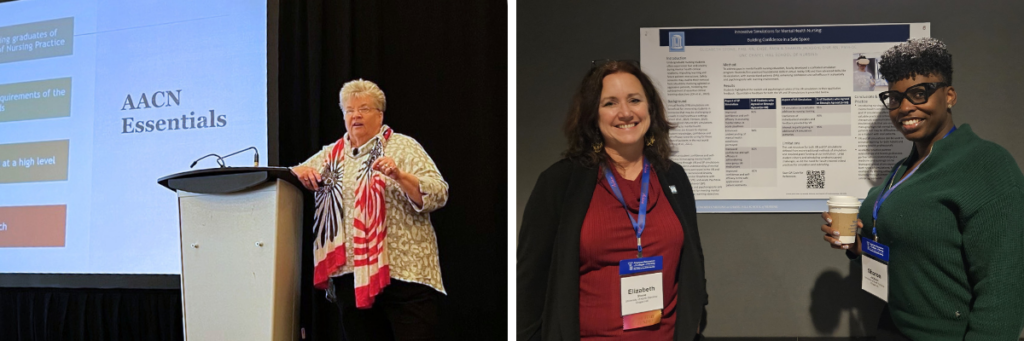
Carolina Nursing faculty showcased their expertise at AACN Transform 2024 in New Orleans from December 3 to 7, focusing on the transition to competency-based education (CBE) aligned with the AACN Essentials.
Carol Durham, EdD, RN, ANEF, FAAN, FSSH, co-led the pre-conference workshop Unlocking the Power of Simulation – Coach for Competency, attended by 270 AACN members. The workshop provided strategies for integrating simulation into labs, classrooms, and clinical settings.
Elizabeth Stone, PhD, MSN, CHSE, FAEN and Sharon Jackson, DNP, MSN, RN, PMH-BC, presented their poster, Innovative Simulations for Mental Health Nursing: Building Confidence in a Safe Space. Their work featured VR simulations designed to help students navigate challenging mental health scenarios, increase self-efficacy, and build confidence in a safe environment.
Apple Leadership Conference
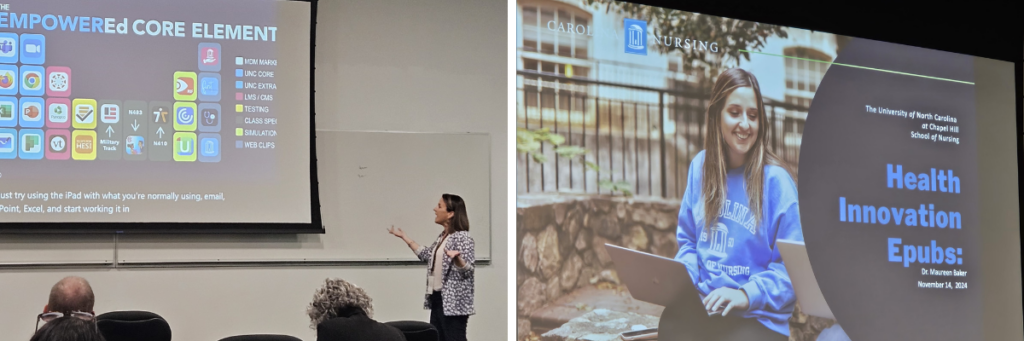
In November 2024, Drs. Maureen Baker, Director of EmpowerEd and associate professor, and Jessica White, Assistant Dean for Innovation in Teaching & Learning and assistant professor, attended and participated in the Apple Leadership Conference on November 13-15, 2024, hosted by Apple at Full Sail University in Winter Park, FL. The University of North Carolina School of Nursing is an Apple Distinguished School for the 2023-2026 term. UNC School of Nursing received this distinction based on its use of Apple products in the undergraduate curriculum to advance education and continue its innovation for learning strategies and practices. Students in the pre-licensure program pursuing their BSN degrees are provided with an iPad at orientation, allowing them to take notes during class, record themselves reflecting on course assignments, engage in lectures with more interactivity, and create a variety of learning objects they can use to study for classes or use in their clinical courses.
Dr. Baker presented a session titled “Health Innovation ePublications to Ignite a Spirit of Inquiry,” demonstrating her students’ use of iPads to create ePublications related to a specific health innovation in one of her courses. She also discussed the EmpowerEd Core Elements (e.g., Canvas, Office 365, Panopto, VoiceThread, etc.) and how they relate to the University’s core testing, productivity, simulation, and web technologies. Her presentation identified her mantra in assisting faculty to incorporate iPads into their courses: “Try ONE new thing.” Oftentimes, faculty are busy with multiple courses to teach, students to advise, administrative duties, and personal obligations. Using the iPads doesn’t mean that faculty have to change everything in their course at once; instead, trying one new thing at a time allows a faculty member to identify a lecture, assignment, or activity needing a refresh and then determine how to increase engagement and infuse technology within that one item. Throughout Dr. Baker’s presentation, she focused on how to promote creativity, meet students where they are, and engage students with a variety of technology methods.
Media Features
Best & Worst States for Nurses (2025)
In a recent feature by WalletHub, Carolina Nursing’s Rumay Alexander, EdD, RN, FAAN, was invited to weigh in on key issues facing the nursing profession—from workforce burnout to strategies for attracting and retaining high-quality nurses. Drawing on her extensive leadership and advocacy experience, Dr. Alexander emphasized the importance of supporting nurse educators, elevating nurses’ voices in leadership, and aligning health care systems with values of equity and human flourishing. Her insights appeared alongside WalletHub’s 2025 rankings of the best states for nurses, which evaluated all 50 states on factors like salary, job opportunities, and working conditions.
Let’s talk about sex: AI-driven chatbot addresses taboo subjects
Kandyce Brennan, DNP, CNM, is tackling disparities in reproductive health care with SARHAchat, an AI-driven chatbot designed to provide accurate, empathetic contraception counseling—especially for those in rural and underserved areas. With support from NC TraCS, Brennan developed SARHAchat to feel like a trusted friend, offering evidence-based guidance while filtering out misinformation.
Presented at FemTech Demo Day, SARHAchat is evolving to meet users’ needs, including expanding to adolescent populations with Dr. Bianca Allison. Brennan envisions this tool as a crucial countermeasure against misinformation, ensuring people have reliable, accessible reproductive health information at their fingertips.
UNC Hospitals experiment with AI, work to integrate new technology in health care
UNC Hospitals are integrating artificial intelligence (AI) to enhance efficiency in patient care, from scheduling to clinical decision-making. Jessica Zègre-Hemsey, PhD, RN, FAHA, is utilizing AI to support emergency cardiac care, helping clinicians analyze data quickly to predict patient outcomes in critical situations.
While AI offers promising advancements, experts emphasize the need for oversight to address potential risks like data bias and privacy concerns. UNC Health is taking a cautious approach, ensuring AI tools are thoroughly evaluated for safety and ethical considerations to enhance, rather than replace, human decision-making.